$7000 First prize | 2 x $1500 Runner up prizes | Winning entries will be included in NewSouth's anthology, The Best Australian Science Writing
From the furthest reaches of the universe to the microscopic world of our genes, science offers writers the kind of scope other subjects simply can’ t match. Good writing about science can be moving, funny, exhilarating or poetic, but it will always be honest and rigorous about the research that underlies it.
To recognise the best of the best, UNSW Press has established an annual prize for the best short non-fiction piece on science written for a general audience. The UNSW Press Bragg Prize for Science Writing is named in honour of Australia’s first Nobel Laureates William Henry Bragg and his son William Lawrence Bragg and is supported by the Copyright Agency Cultural Fund.
First prize is $7000. Two runners-up will each receive a prize of $1500.
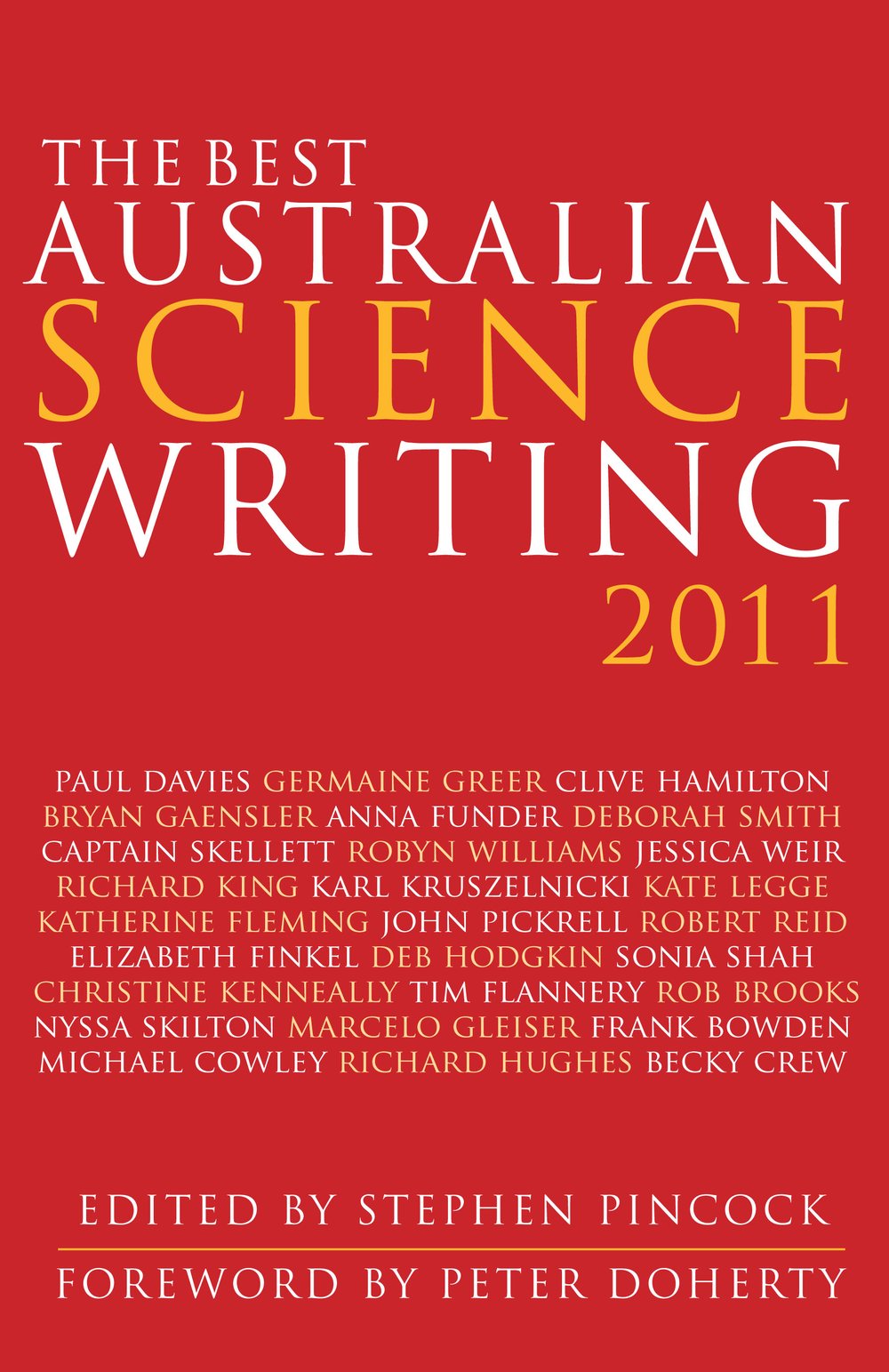
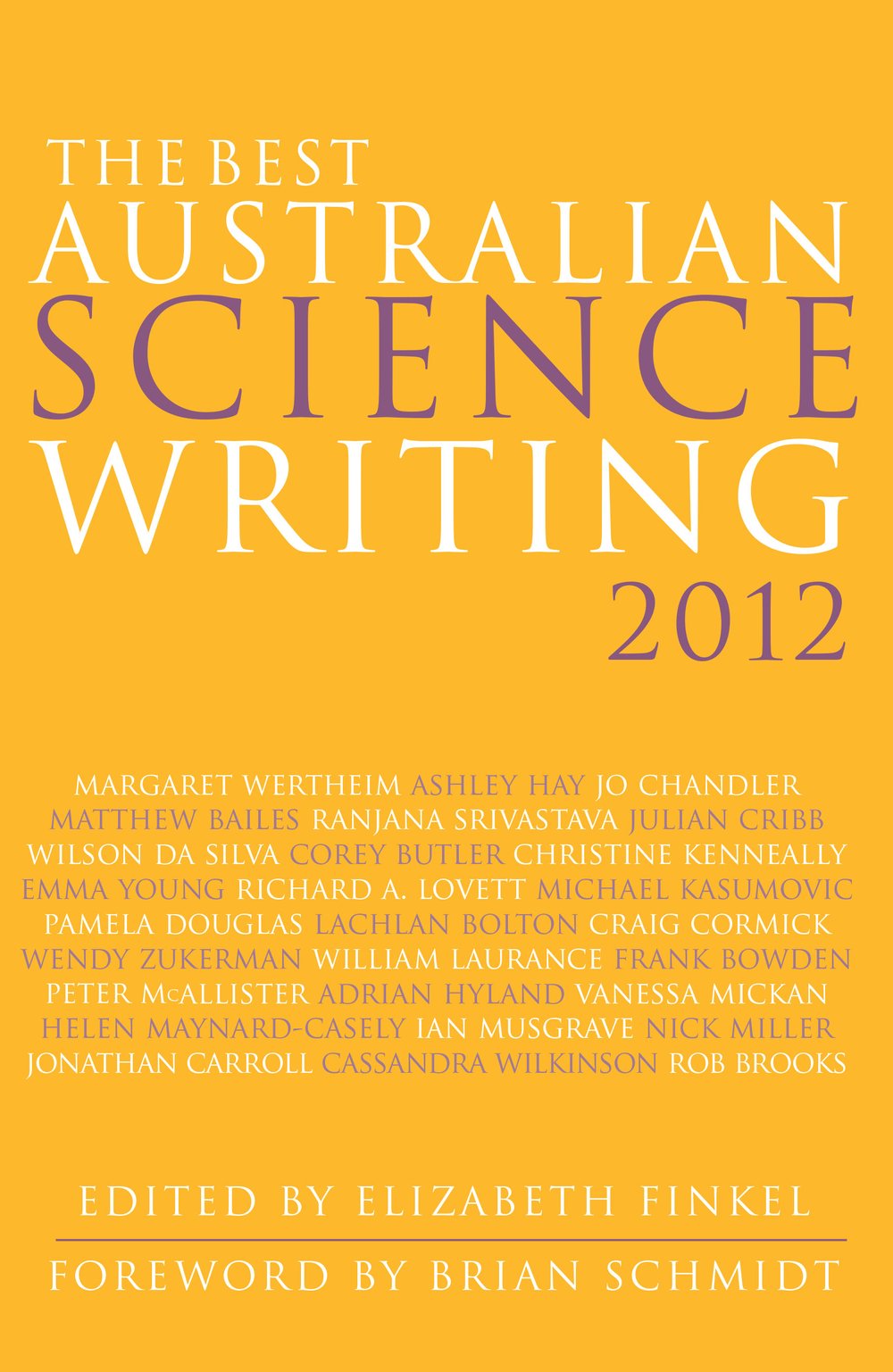
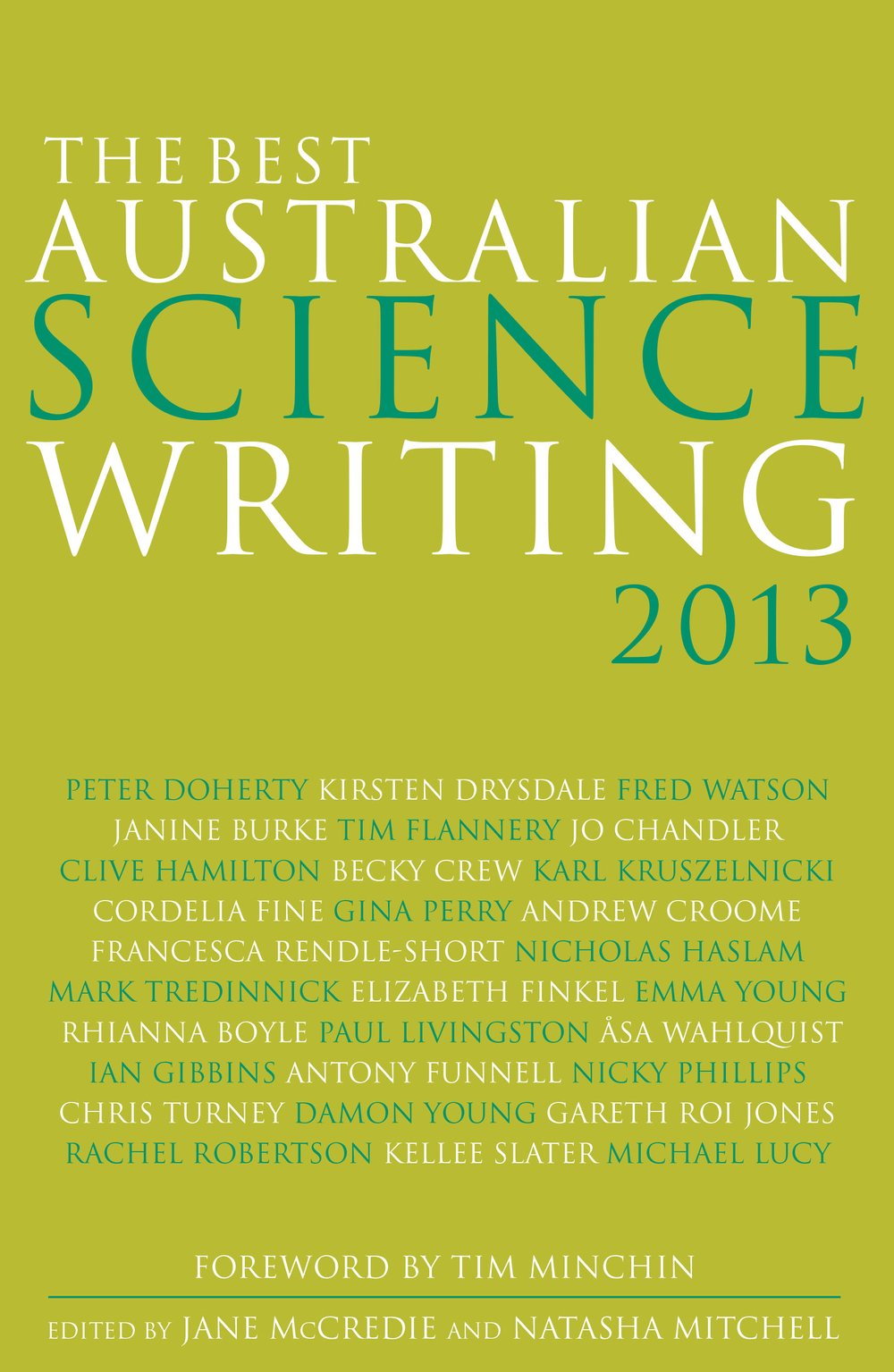
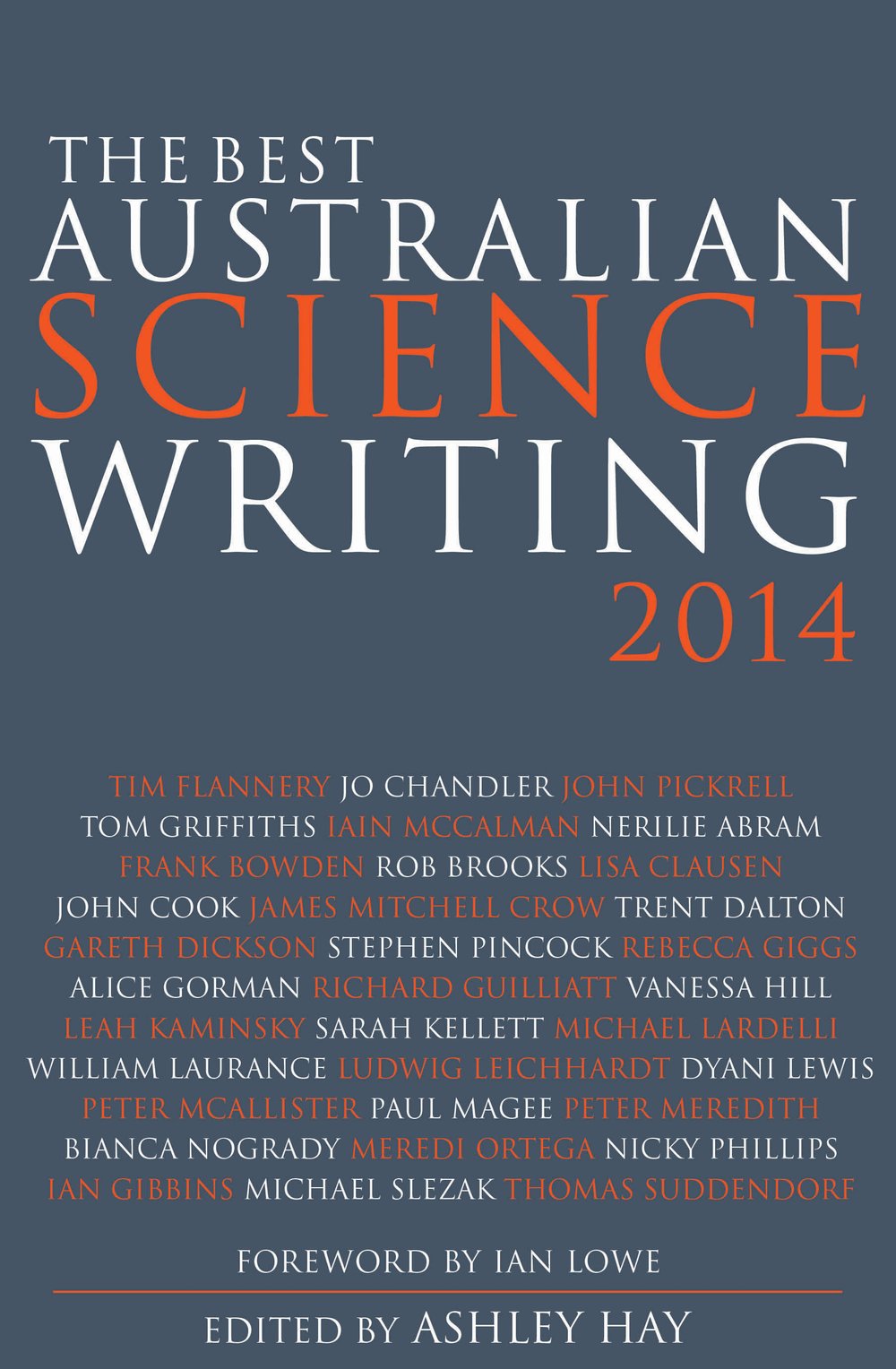
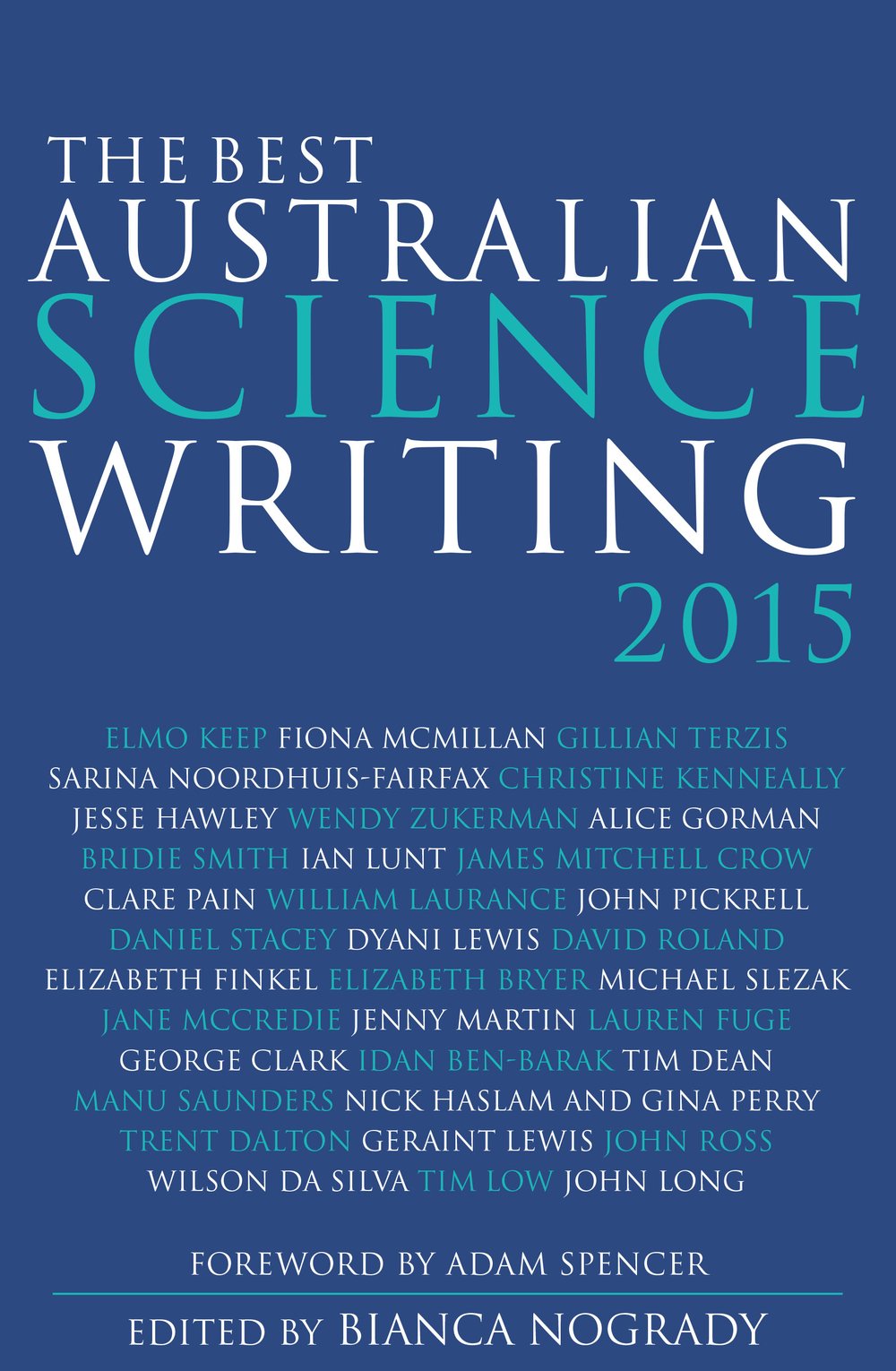
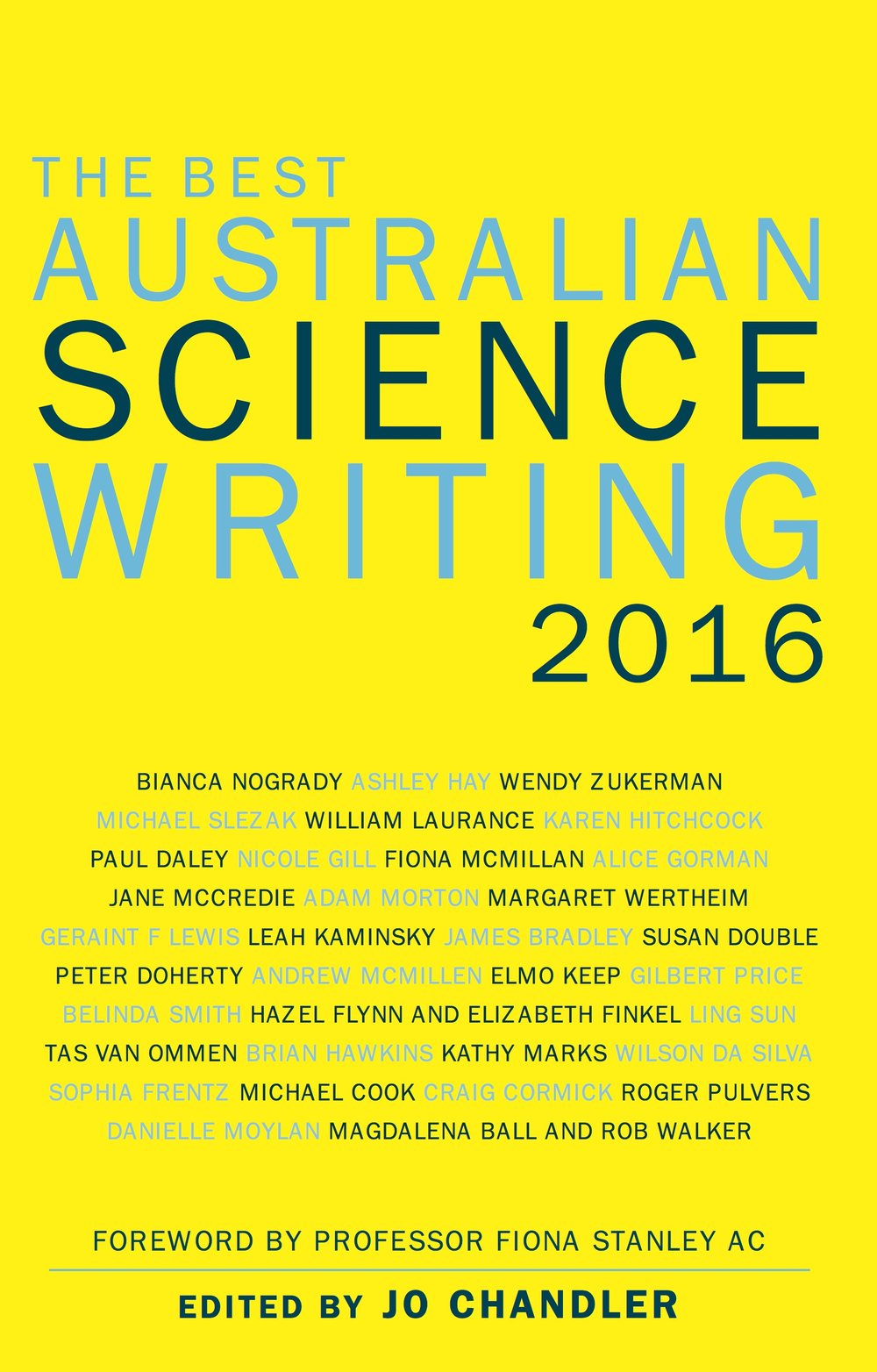
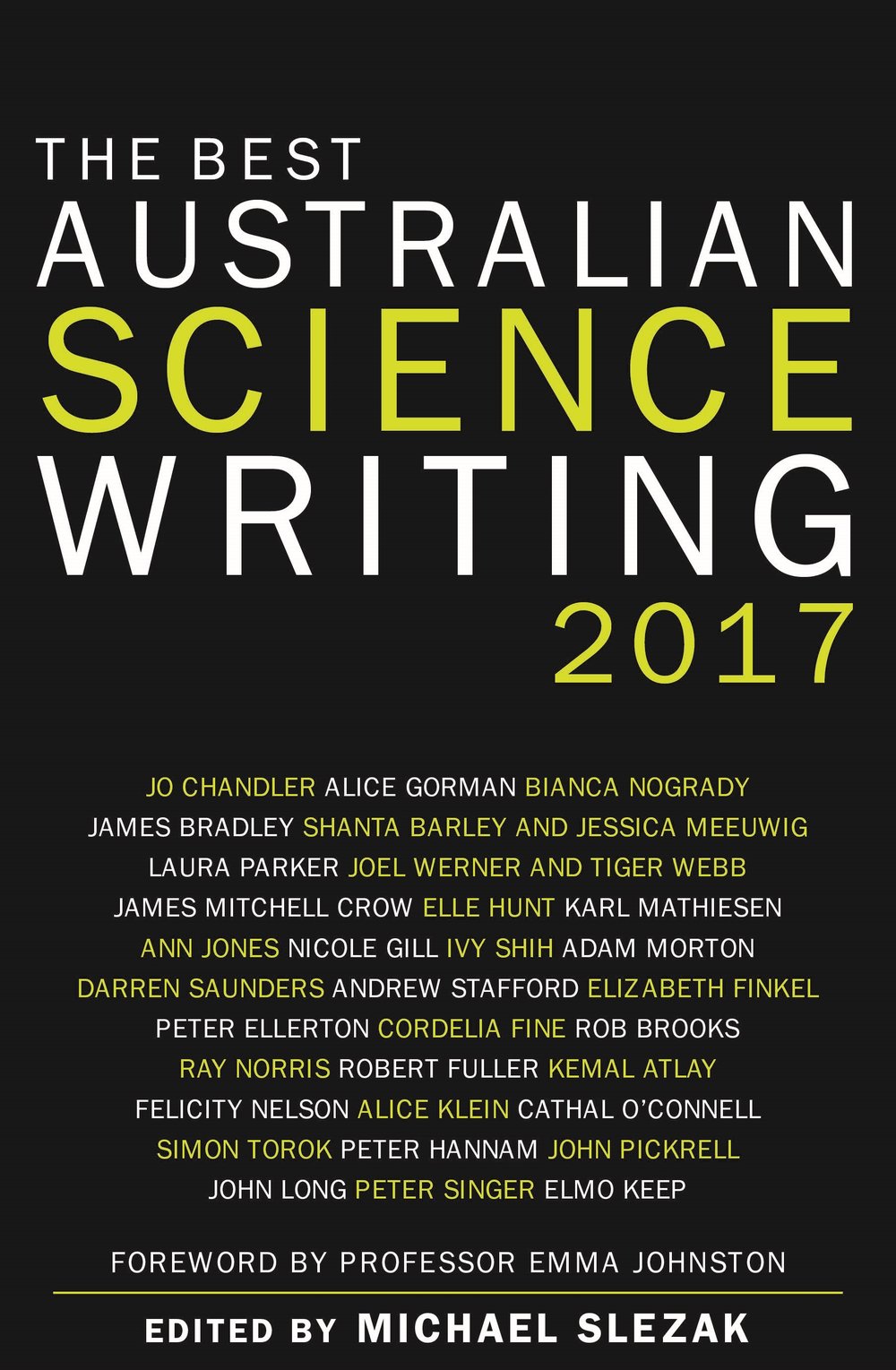
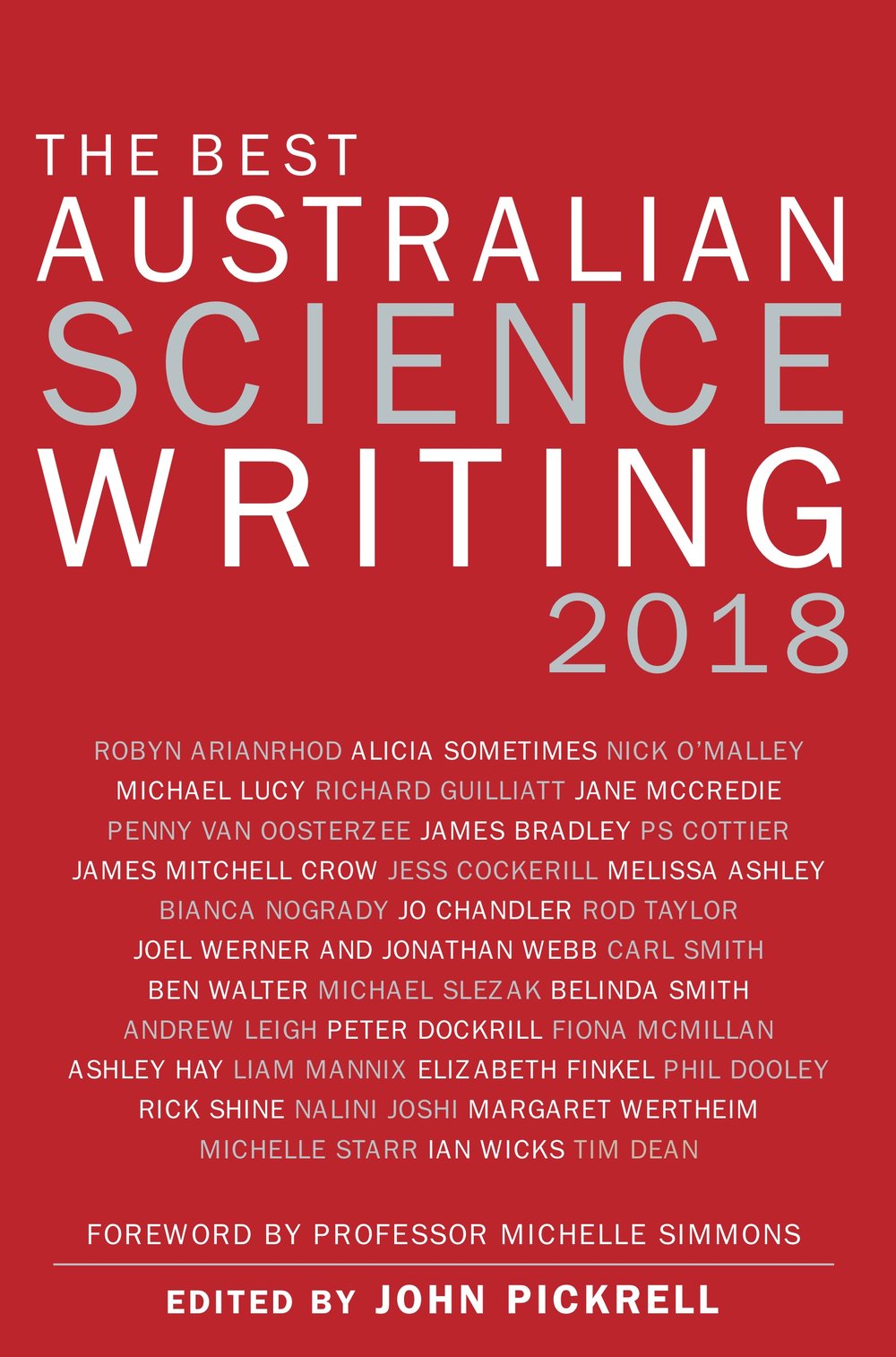
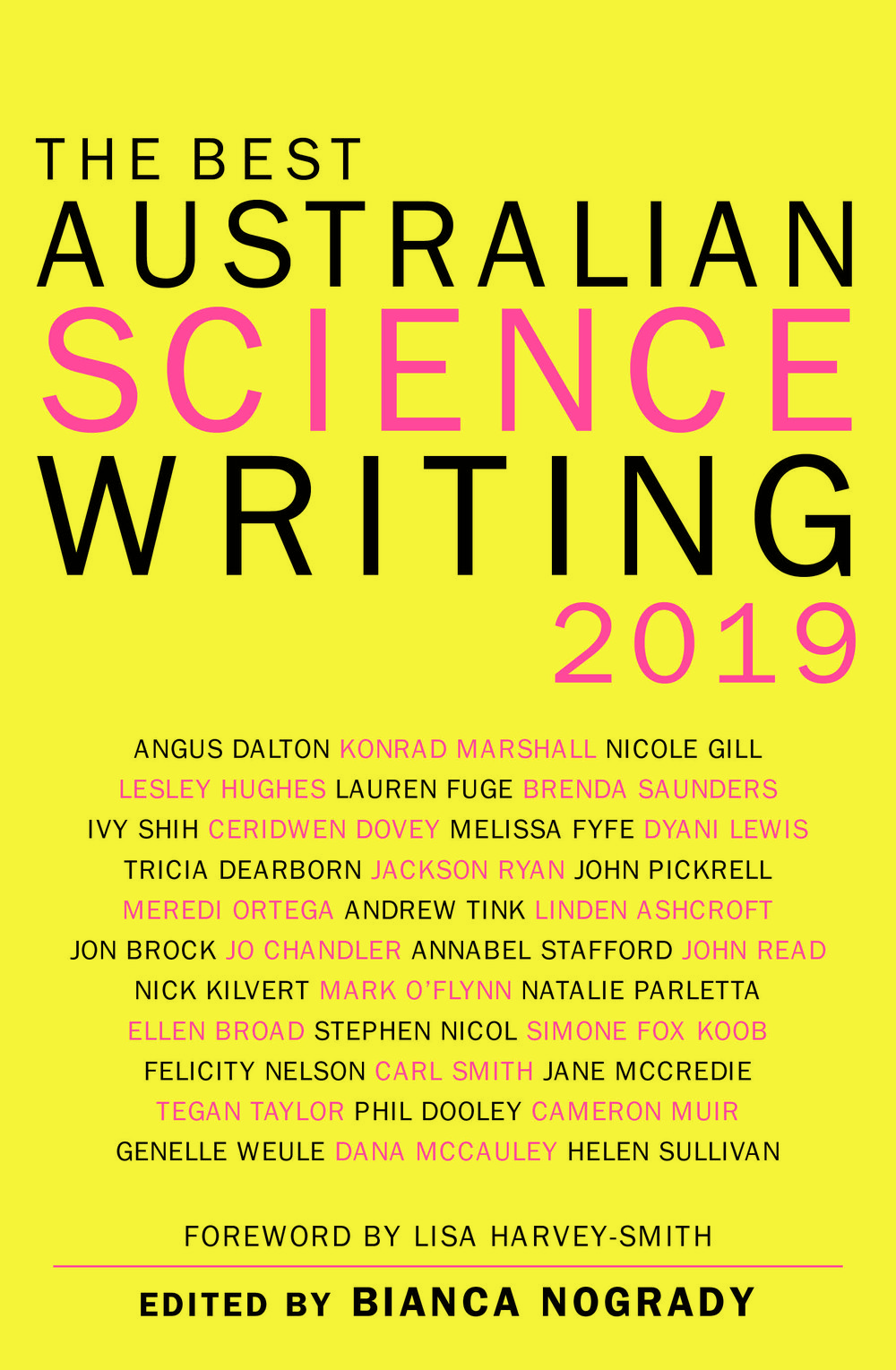
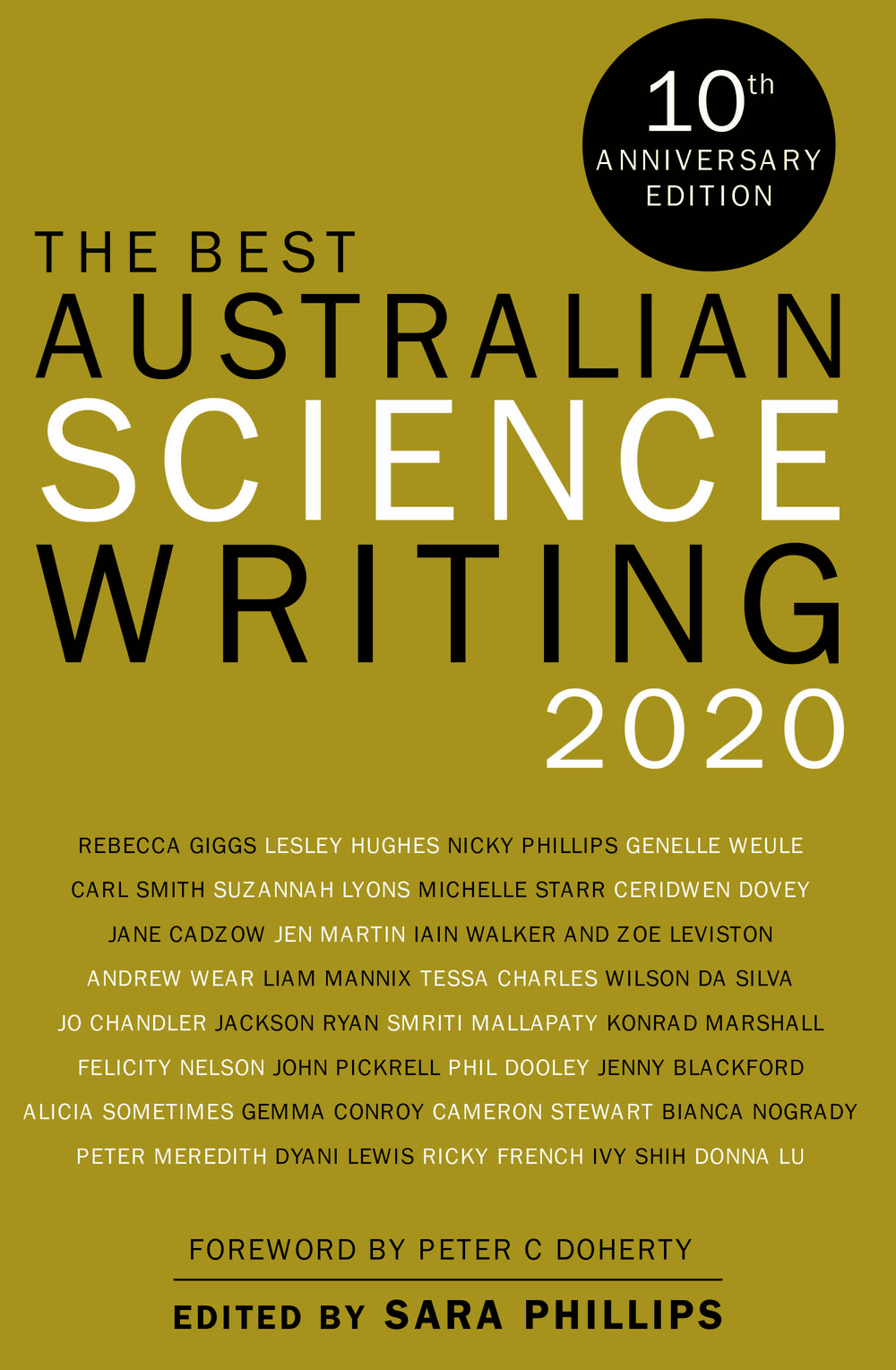
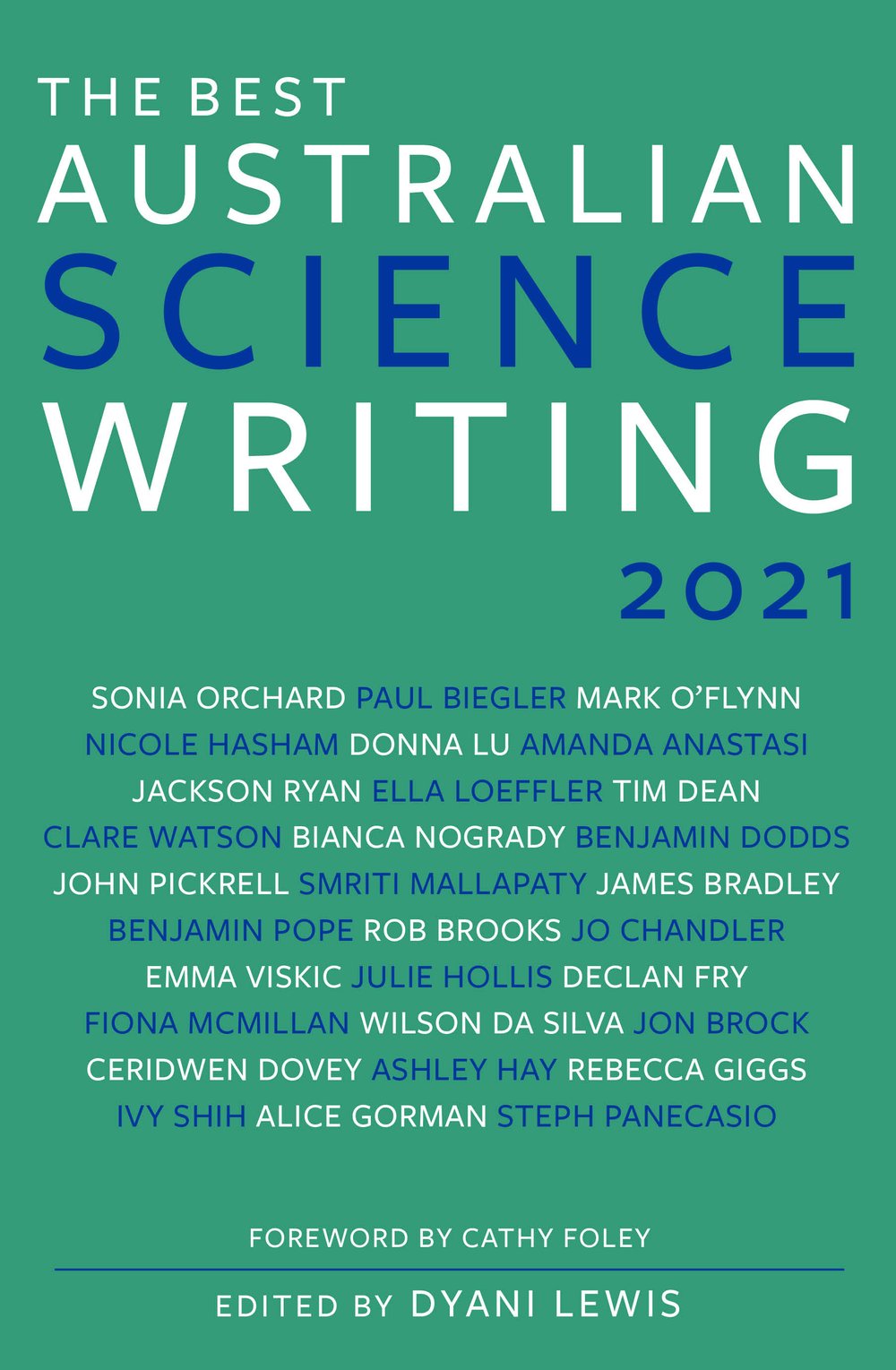
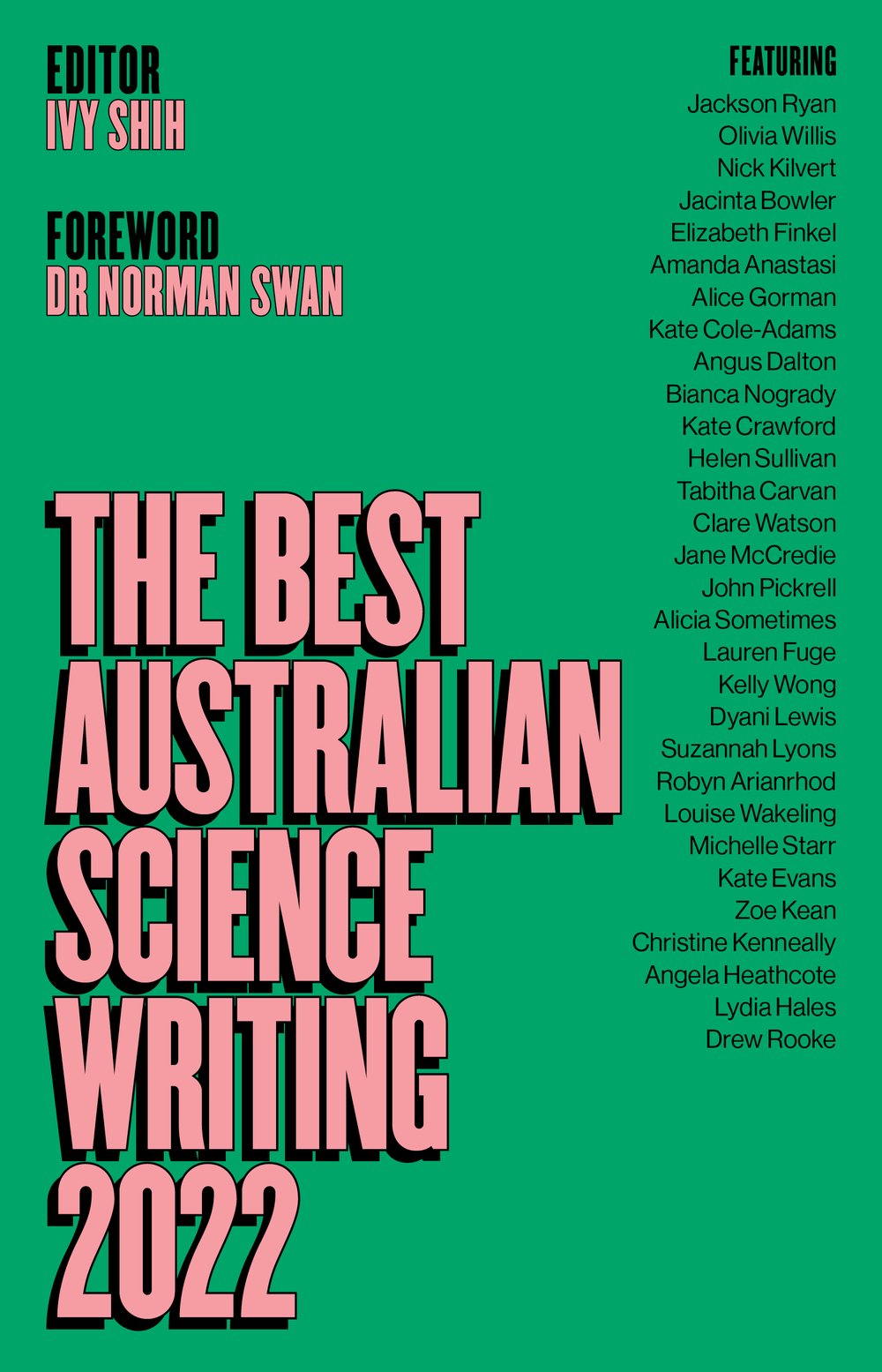
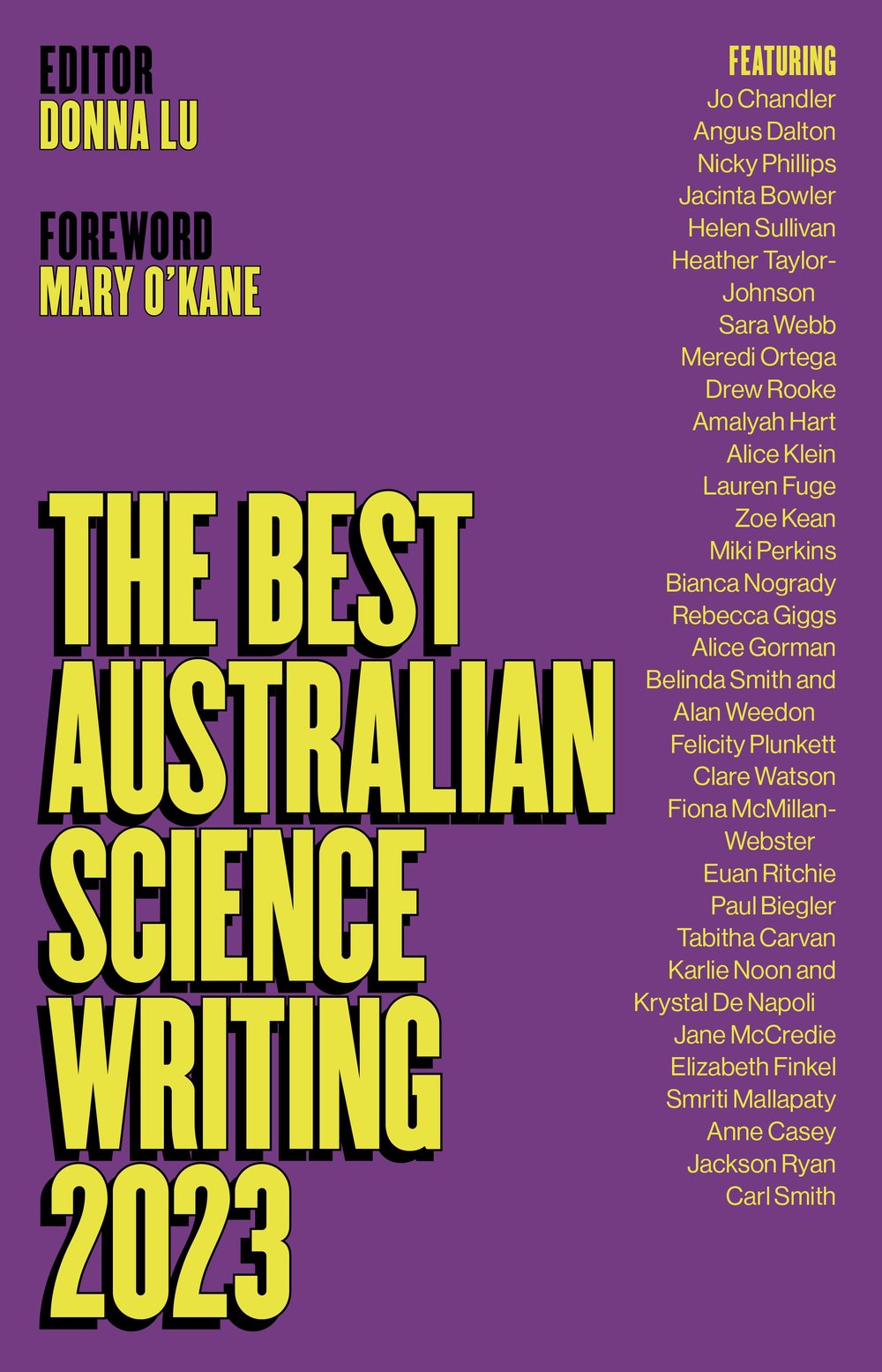
All the shortlisted entries are included in The Best Australian Science Writing, NewSouth's annual collection featuring the finest Australian science writing of the year.
Entries for the Bragg Prize closed on 31 March 2024. The winner will be announced in November 2024.
Submissions for the UNSW Press Bragg Student Prize for Science Writing 2024 opened in April 2024. See link to the Student Prize for more information on the student winner.
-
2023
-
WINNER
Nicky Phillips, Trials of the heart (Nature)
-
RUNNERS-UP
Jo Chandler, Buried treasure (Griffith Review)
Amalyah Hart, Model or monster (Cosmos Magazine)
-
SHORTLISTED
Lauren Fuge, Point of view (Cosmos Magazine)
Rebecca Giggs, Noiseless messengers (Emergence Magazine)
Helen Sullivan, A city of islands (London Review of Books)
-
-
2022
-
WINNER
Lauren Fuge, Time travel and tipping points (Cosmos Magazine)
-
RUNNERS-UP
Helen Sullivan, A Syrian seed bank’s fight to survive (The New Yorker Online)
Olivia Willis, Spillover in suburbia (ABC)
-
SHORTLISTED
Kate Crawford, Artificial intelligence is misreading human emotion (The Atlantic)
Kate Cole-Adams, Love and fear (Griffith Review)
Clare Watson, Rise of the preprint: How rapid data sharing during COVID-19 has changed science forever (Nature Medicine)
-
-
2021
-
WINNER
Ceridwen Dovey, Everlasting free-fall (Alexander)
-
RUNNERS-UP
Jackson Ryan, To the Dragon Palace and back (CNET.com)
Jo Chandler, The COVID–climate collision (Griffith Review)
-
SHORTLISTED
Rebecca Giggs, Soundings (Scribe)
Nicole Hasham, Hail hydrogen: Powering the debate on future fuel (Griffith Review)
Fiona McMillan, The virus detectives (Cosmos)
-
-
2020
-
WINNER
Ceridwen Dovey, True Grit (WIRED)
-
RUNNERS-UP
Konrad Marshall, Jeepers creepers (Good Weekend)
Ricky French, Case of the missing frogs (Weekend Australian)
-
SHORTLISTED
Lesley Hughes, The milk of human genius (The Monthly)
Donna Lu, Stranger things (New Scientist)
Nicky Phillips, Bringing home the ancestors (Nature)
-
-
2019
-
WINNER
Melissa Fyfe, Getting cliterate (The Good Weekend)
-
RUNNERS-UP
Cameron Muir, Ghost species and shadow places (Griffith Review)
Jackson Ryan, How CRISPR could save six billion chickens from the meat grinder (CNET)
-
SHORTLISTED
Lesley Hughes, When planetary catastrophe is your day job (The Monthly)
Stephen Nicol, Oceans of krill (The Curious Life of Crill, Island Press)
Helen Sullivan, A tiny coral paradise in the Great Barrier Reef reckons with climate change (The New Yorker)
-
-
2018
-
WINNER
Andrew Leigh, From bloodletting to placebo surgery (Randomistas)
-
RUNNERS-UP
Jo Chandler, Amid fear and guns, polio finds a refuge (Undark)
Margaret Wertheim, Radical dimensions (Aeon)
-
SHORTLISTED
Richard Guilliatt, Star of the sub-atomic (The Australian)
James Mitchell Crow, The anything factory (New Scientist)
Nick O’Malley, "Would you burn the Mona Lisa if it was sent?”: Our horror bureaucratic bungle (The Sydney Morning Herald)
-
-
2017
-
WINNER
Alice Gorman, Trace fossils
-
RUNNERS-UP
Jo Chandler, Grave Barrier Reef (The Monthly)
Elmo Keep, The pyramid at the end of the world (Fusion TV)
-
SHORTLISTED
Laura Parker, Inspired by nature (Guardian)
James Mitchell Crow, Impossible alloys (New Scientist)
James Bradley, Fish have feelings too (The Monthly)
-
-
2016
-
WINNER
Ashley Hay, The forest at the edge of time (Australian Book Review)
-
RUNNERS-UP
Susan Double, Beautiful contrivances (Orchids Australia)
Fiona McMillan, Lucy’s lullaby: Song for the ages (Luminous)
-
SHORTLISTED
Nicole Gill, Every lizard counts (The Monthly)
Alice Gorman, Pluto and the human gaze (Space Age Archaeology)
James Bradley, Slippery migrants (The Monthly)
-
-
2015
-
WINNER
Christine Kenneally, The past may not make you feel better (from The Invisible History of the Human Race, Black Inc.)
-
RUNNERS-UP
Idan Ben-Barak, Why aren’t we dead yet (from Why Aren't We Dead Yet, Scribe)
Trent Dalton, Beating the odds (The Weekend Australian)
-
SHORTLISTED
James Mitchell Crow, Robots on a roll (Cosmos)
John Pickrell, Messages from Mungo (Australian Geographic)
Michael Slezak, Aliens versus predators: The toxic toad invasion (New Scientist)
-
-
2014
-
WINNER
Jo Chandler, TB and me: A medical souvenir (The Global Mail)
-
RUNNERS-UP
Frank Bowden, Eleven grams of trouble (Inside Story)
Peter Meredith, Weathering the storm (Australian Geographic)
-
SHORTLISTED
James Mitchell Crow, Is there room for organics? (Cosmos)
Stephen Pincock, The quantum spinmeister: Professor Andrea Morello (Cosmos)
-
-
2013
-
WINNER
Fred Watson, Here come the ubernerds: Planets, Pluto and Prague (from Star-Craving Mad: Tales from a travelling astronomer, Allen & Unwin)
-
RUNNERS-UP
Gina Perry, Beyond the shock machine (from Behind the Shock Machine: The untold story of the notorious Milgram psychology experiments, Scribe)
Chris Turney, Martyrs to Gondwanaland: The cost of scientific exploration (from 1912: The year the world discovered Antarctica, Text Publishing)
-
SHORTLISTED
Jo Chandler, The last laughing death (The Global Mail)
Becky Crew, It's time to become gonads (from Zombie Tits, Astronaut Fish and Other Weird Animals, NewSouth)
Elizabeth Finkel, Dreamtime cave (Cosmos)
Clive Hamilton, Earthmasters: Playing God with the climate (from Earthmasters: Playing God with the climate, Allen & Unwin)
-
-
2012
-
WINNER
Jo Chandler, Storm front (from Feeling the Heat, MUP)
-
RUNNERS-UP
Ashley Hay, The Aussie mozzie posse (Good Weekend)
Peter McAllister, The evolution of the inadequate modern male (Australasian Science)
-
SHORTLISTED
Wilson da Silva, Gateway to Heaven (Cosmos)
Nick Miller, License to Heal (Sunday Age)
Wendy Zukerman, The roach's secret (New Scientist)
-
The Braggs won the 1915 Nobel Prize for physics for their work on the analysis of crystal structure by means of X-rays. Both scientists led enormously productive lives and left a lasting legacy. William Henry Bragg was a firm believer in making science popular among young people, and his Christmas lectures for students – a tradition he initiated – were described as models of clarity and intellectual excitement.
The biographical notes on the Braggs are from the Australian Dictionary of Biography and the Nobel Prize website.